Another thing I notice is In cold whether I can drive in hybrid without the ICE kicking in but as soon as I turn on the heaters it starts up at 1400 rpm, dropping to 800 rpm for the rest of the journey, it will switch off occasionally during the journey, but if turn off the heaters the ICE turns off straight away.
DS technician says its because the heaters are drawing more energy from the batteries so the ICE starts up.
In hybrid mode, this is how it works, and there’s no need to overthink it; it’s controlled by software, and the conditions are unknown. I often drive in electric mode and cover similar distances (a record 46 miles), and the 12V batteries don’t require recharging—the ICE isn’t running during this time.
If you want the ICE to be off, select electric mode. It won’t harm the 12V batteries.
There were times when ICE in my DS did not work at all for an entire month.
But relative to what? The ICE’s RPM when it’s running or the 12V batteries?
If the car isn’t driven much, there are problems with the 12V batteries, because the small one is only charged when the car is running, while the large one is also charged while charging the traction battery.
I drive an average of 25-40 miles everyday, 80% in electric mode only. In the city it takes 1.0-1.5 hours to drive. Typical average speed 20 mph.
The 12V batteries in my DS are fine. They haven’t been replaced since the car was new, which is 3 years ago (Jan 2023).
@Andrew_PL , you have answered the question, “80% in electric mode only” means the engine runs for the other 20%, so that is where your batteries are getting topped up, also in an ealier post I asked about charging the Auxilary battery occaisionally by a maintainer and you said thats what you do., this will also help keep your batteries in good condition. And the fact that your summer is long and hotter than here in the UK, but yes I agree the wnters are colder.
Maybe I described it badly.
80% year-round electric drive. But if I don’t have any long trips out of town, I run 100% electric from spring to autumn. Longer journeys and winter weather consume the remaining 20% of the year’s petrol driving.
Yep, that makes sense now, similar here but not so regular, all local driving, within battery range on electric, longer journeys in hybrid. Last year about 30% pure Electric, but so far this year its 95% electric so far, I really need to do more hybrid miles in the winter.
So finally got round to checking both 12v batteries in the full electric mode and “Ready”, and also checked them whilst the traction battery was being charged.
In electric “Ready” mode both batteries were showing 14.55v, so this indicates the traction battery does put charge in the smaller 12v battery as well as the larger 12v battery.
There was around 18% charge remaining in the traction battery when I ran this test.
Then I tested whilst the traction battery was being charged, the main battery showed 14.0v, the smaller one 13.41v.
So whilst the traction battery is being charged it seems as though some charge does go to the main 12v battery but less than when the car is on pure electric “Ready” mode.
The main battery voltage dropped from 14.55v in the electric “Ready” mode, to 14.0v whilst the traction battery is being charged.
The smaller one dropped from 14.55v to 13.41v.
One thing I failed to do was wait for the 12v batteries to idle for 10-15 minutes, but I dont think that would of mattered in this case as I was testing to see what happens in electric mode and when the traction battery is being charged.
These are the figures I had for the ICE charging test.
Main 12v:
With ICE running = 14.8v
ICE off & after 30 minutes dormant = 12.7v
Small 12v:
With ICE running = 14.75v
ICE off & after 30 minutes dormant = 13.2v
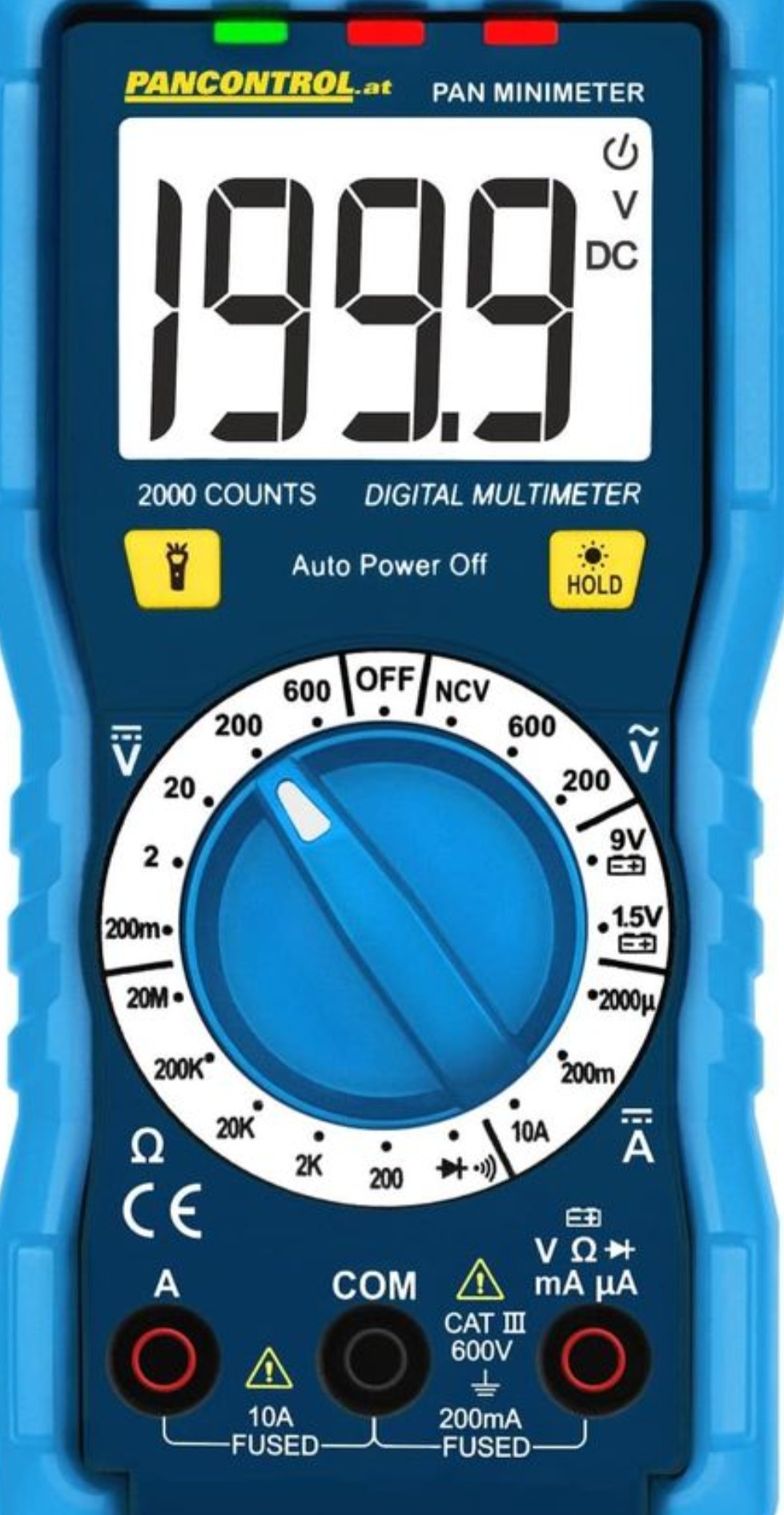
Switch the measurement to a different range. 14.55V will then be probably 14.7V, and that’s the value you’re interested in when READY is on. Another thing is to take care of the multimeter’s battery, because a weak battery can distort the measurement.
I’m not convinced this setting refers to the car’s 12V system. Especially if there are also settings for 9V and 1.5V batteries.
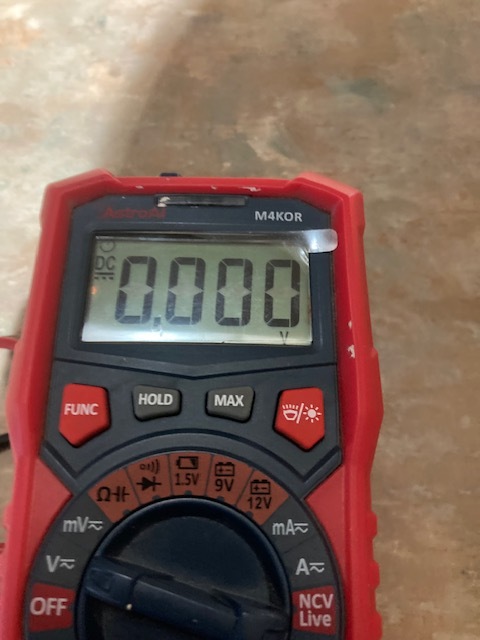
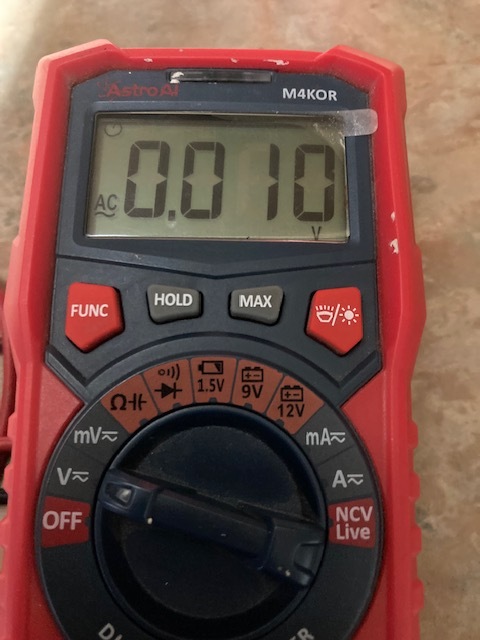
I always measure in tenths, because the reading is lower in hundredths.
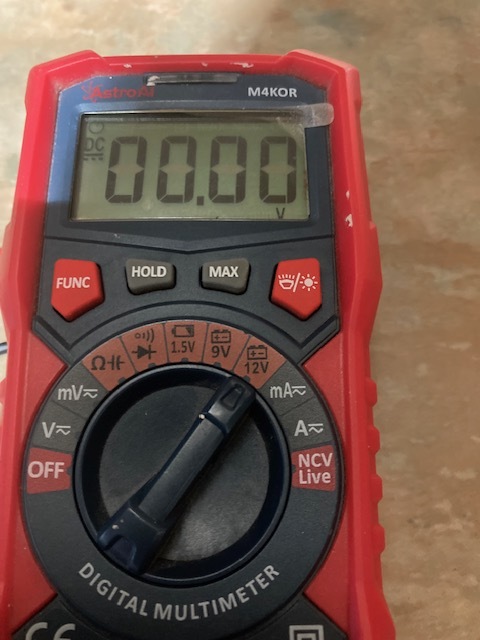
Heres the tester I use.
You can see the battery testing voltages, which I believe puts the battery under a bit of load when testing ?
Theres also an option to test AC & DC voltage.
I did a check on my 12V batteries voltages (2022 DS4 PHEV) given they seem prone to giving problems if battery degraded. Here are the reading just in case helpful - I don’t have any known problems with batteries but also don’t know their age - they all seem what I would expect to see:
Car OFF (had not been charged or used for a day or so). Main 12V battery (under bonnet) reading 12.7V. Auxiliary 12V battery (in arm rest) reading 12.6V.
Car ON in Electric Only Mode: Main 12V battery: 14.7V. Auxiliary 12V battery: 14.7V
And I got the same voltages with the car ON and with ICE running (SPORT mode).